
Why Speckle Park Beef Deserves a Spot on Your Plate

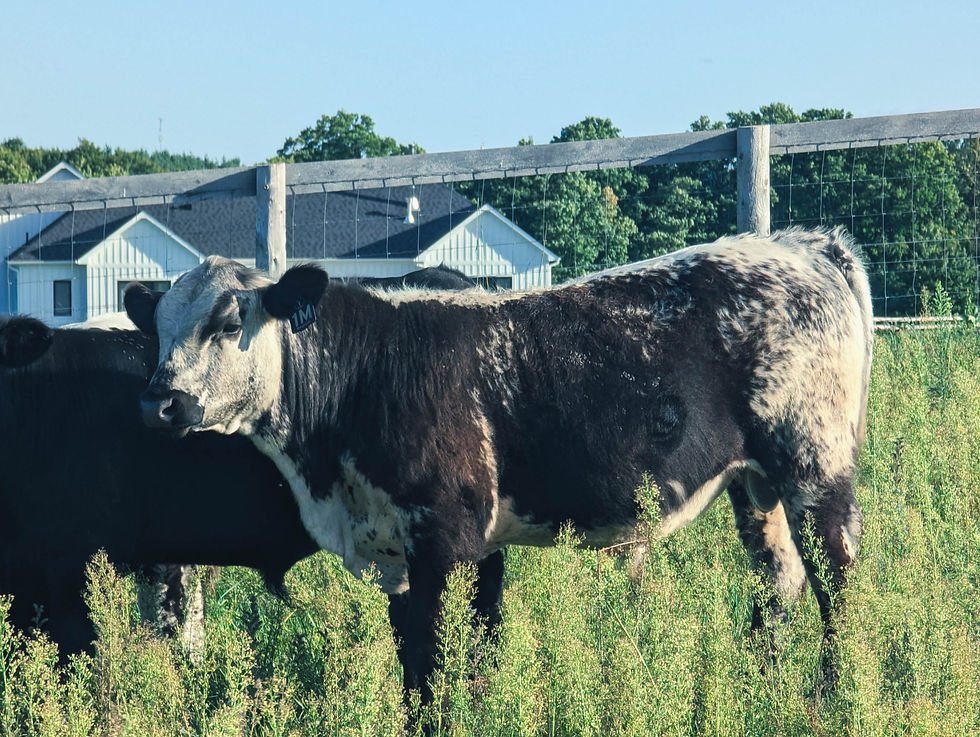
Not all beef is created equal. The taste, tenderness, and overall quality of the beef on your plate depend heavily on the breed, feeding practices, genetics, and how the animal was raised. Among the top-tier options, Speckle Park—a Canadian-born breed—is earning growing praise for its consistent quality, health-conscious profile, and standout flavor. Here’s why this unique breed is catching the attention of both chefs and informed consumers.
WHAT SETS SPECKLE PARK APART
Speckle Park cattle are easily recognized by their striking coat patterns, but it’s what’s under the hide that truly makes the breed shine. Originally developed in Saskatchewan in the 1950s, Speckle Park combines British and native Canadian genetics, which contribute to their hardiness and excellent carcass traits.
Rich Marbling, Less Fat
Speckle Park beef is renowned for its high degree of marbling—those thin lines of intramuscular fat that melt during cooking, enhancing juiciness and flavor. According to the Canadian Speckle Park Association, this marbling contributes to the breed’s ability to consistently reach AAA and Prime grades, even with earlier slaughter ages. Unlike some heavily marbled breeds, however, Speckle Park tends to have a lower total fat content, making it a leaner but still indulgent option.
Genetically Consistent Quality
The quality of Speckle Park beef is no accident—it’s the result of rigorous genetic selection. Traits like feed conversion efficiency, growth rate, and carcass quality are closely monitored by breeders. As highlighted by the University of Alberta’s Livestock Gentec group, genetic tools like Expected Progeny Differences (EPDs) and genomic testing are increasingly used to identify and propagate cattle with ideal traits for tenderness, flavor, and yield. In this regard, Speckle Park breeders have been early adopters of data-driven practices.
Bold, Natural Flavor
Unlike some leaner breeds that require heavy seasoning to impress, Speckle Park beef has a naturally robust, beef-forward taste. It holds up well to simple preparations, making it a favorite among chefs who prefer to let the meat speak for itself.
HOW BREED IMPACTS TASTE
The breed of cattle significantly influences beef’s texture, fat profile, and flavor. Here’s how Speckle Park compares with other well-known breeds:
Angus: Known worldwide for its heavy marbling and buttery tenderness, Angus beef remains a gold standard for premium steaks. However, it often carries a higher fat load.
Hereford: This breed offers a classic beefy flavor and leaner meat than Angus, with good marbling and a coarser texture—ideal for those who prefer a bold, traditional taste.
Charolais: Originating from France, Charolais produce lean, firm-textured beef with a milder flavor. It’s often chosen for its low fat and high protein profile.
Simmental: With a balanced fat-to-muscle ratio, Simmental beef is tender and flavorful, making it a versatile option for both grilling and slow-cooking.
Brahman: Developed from Indian Zebu cattle, Brahman beef is lean and firm with a more pronounced flavor. Best suited for braising and slow-cooked dishes, it’s favored in warmer climates for its heat tolerance.
Speckle Park: This Canadian breed combines the marbling of Angus with a cleaner, leaner fat profile. It offers a distinct, full-bodied flavor without the heaviness, consistently producing beef that’s tender, juicy, and rich in character. Speckle Park’s genetic strength lies in its muscle fiber development and efficient feed conversion, making it a standout in both performance and eating experience.
Understanding these differences helps consumers select the breed that best suits their taste preferences and cooking styles. For many, Speckle Park represents the ideal middle ground between indulgent and wholesome.
WHAT ABOUT CUTS?
The part of the animal your beef comes from plays a significant role in its texture, fat content, and best cooking methods. While ground beef is a kitchen staple, whole-muscle cuts offer a broader and more nuanced flavor experience. Here’s a breakdown of the most common cuts and how Speckle Park excels across the board.
Premium Cuts: Flavor, Texture, and Presentation
Ribeye: Known for its rich marbling and juicy, full-bodied flavor, ribeye is one of the most indulgent cuts. Best cooked over high heat (grilling or cast iron), this cut highlights Speckle Park’s natural intramuscular fat distribution and tenderness.
Striploin / New York Strip: This cut balances tenderness with a slightly firmer texture, offering a clean beef flavor and beautiful presentation. It’s ideal for pan-searing or grilling, and Speckle Park’s balanced fat profile helps it shine without being overly greasy.
Tenderloin / Filet Mignon: The most tender cut on the animal, tenderloin has a subtle flavor and buttery texture. While it’s naturally lean, the inherent tenderness of Speckle Park genetics ensures it remains juicy and satisfying.
Sirloin: A versatile and more affordable option, sirloin has moderate marbling and a bold beef flavor. It’s excellent for grilling, stir-frying, or slicing for steak sandwiches.
Chuck / Blade Steak: From the shoulder area, this cut is slightly tougher but incredibly flavorful. Ideal for slow cooking, braising, or marinating. Speckle Park chuck benefits from the breed’s intramuscular marbling, making it exceptionally juicy after long cooking times.
Brisket: This cut requires low and slow cooking to break down connective tissues. When sourced from Speckle Park cattle, the brisket yields a tender, deeply flavorful result perfect for smoking or braising.
Short Ribs: These are fatty, meaty, and best cooked slow—whether braised, pressure-cooked, or sous vide. The breed’s marbling ensures that even long-cooked cuts remain succulent.
Ground Beef: A Flavorful Staple
Ground beef is often overlooked when it comes to flavor, but not all ground beef is created equal. Speckle Park ground beef is noticeably richer and more flavorful due to its consistent marbling—even in trim cuts.
Whether used in:
Burgers
Meatballs
Tacos
Lasagna
Stuffed peppers
…the bold, beefy notes of Speckle Park ground beef stand out. It performs exceptionally well in dishes where the beef is the star and needs to carry flavor without excessive seasoning or added fat.
WHY FARM-TO-TABLE
Beyond genetics and cuts, how an animal is raised significantly impacts both flavor and ethics. Farm-to-table operations ensure that animals are:
Humanely raised in low-stress environments
Fed high-quality, species-appropriate diets
Handled responsibly during processing
Farms specializing in Speckle Park beef, like those in Canada, Australia, and New Zealand, often operate smaller-scale, closed-loop systems where quality and welfare are prioritized. This leads to fresher, more traceable meat for the consumer—and a more sustainable ecosystem overall.
Final Thoughts
Speckle Park isn’t just another boutique cattle breed—it’s a genetically superior, data-validated option for those who value flavor, consistency, and ethical sourcing. Whether you’re crafting a steak dinner or grinding your own burgers, choosing Speckle Park beef ensures a rich, rewarding experience at the table. Backed by genetic science, practical sustainability, and an unbeatable flavor profile, it’s beef you can believe in.


Comments